June 2, 2026
The importance of maintaining functional gutters cannot be overstated, as they protect the home from water damage. Choosing the right local gutter company is vital for ensuring quality installation and maintenance. This article explores essential aspects of local gutter services, guiding homeowners in making informed decisions. Whether it's selecting materials or understanding new technology, each choice impacts not only the performance but also the longevity of a gutter system. Understanding these variables is crucial for protecting your home investment.
Gutters play an indispensable role in a home's defense against water damage, channeling rainwater away from roofs and foundations. Effective gutter systems mitigate the risk of erosion, basement flooding, and landscape damage. This protective measure can save homeowners significant repair costs in the long run. While gutters are often overlooked in home maintenance plans, they require professional attention and regular evaluations. By understanding what local gutter professionals can offer, homeowners can ensure their property is well-shielded against adverse weather.
Understanding Gutter Systems
Types of Gutters
Explore the various types of gutters available, such as aluminum, copper, and vinyl, and their respective benefits. Aluminum gutters are a top choice for homeowners due to their lightweight nature and resistance to rust. Copper offers an aesthetically pleasing option that develops a patina over time, offering not only longevity but also elegance. Vinyl, although less durable than metals, provides a cost-effective alternative that is easy to install. Each material choice presents different benefits and trade-offs that align with homeowners' specific needs and budget.
The material you choose for your gutters directly affects their longevity and maintenance requirements. For example, while copper gutters can last more than 50 years with minimal maintenance, vinyl gutters may require replacement every 10 to 20 years. One must weigh the upfront costs against the long-term benefits each material offers. Aluminum gutters, although less expensive than copper, offer impressive resilience to weather and can last around 20 years if well-maintained. Understanding these dynamics helps homeowners make informed decisions when planning their gutter installations.
According to Home Advisor, gutters typically need replacement every 20 years to maintain proper drainage and prevent water damage. Ignoring this maintenance can lead to severe issues like fascia and soffit rot, foundation problems, or serious basement leaks. Each type of gutter, whether aluminum, copper, or vinyl, adheres to different timelines for replacement based on durability and wear. Proactive gutter maintenance is necessary to avoid these common pitfalls. Evaluating different material lifespans helps ensure sustained protection for your home.
Components of a Gutter System
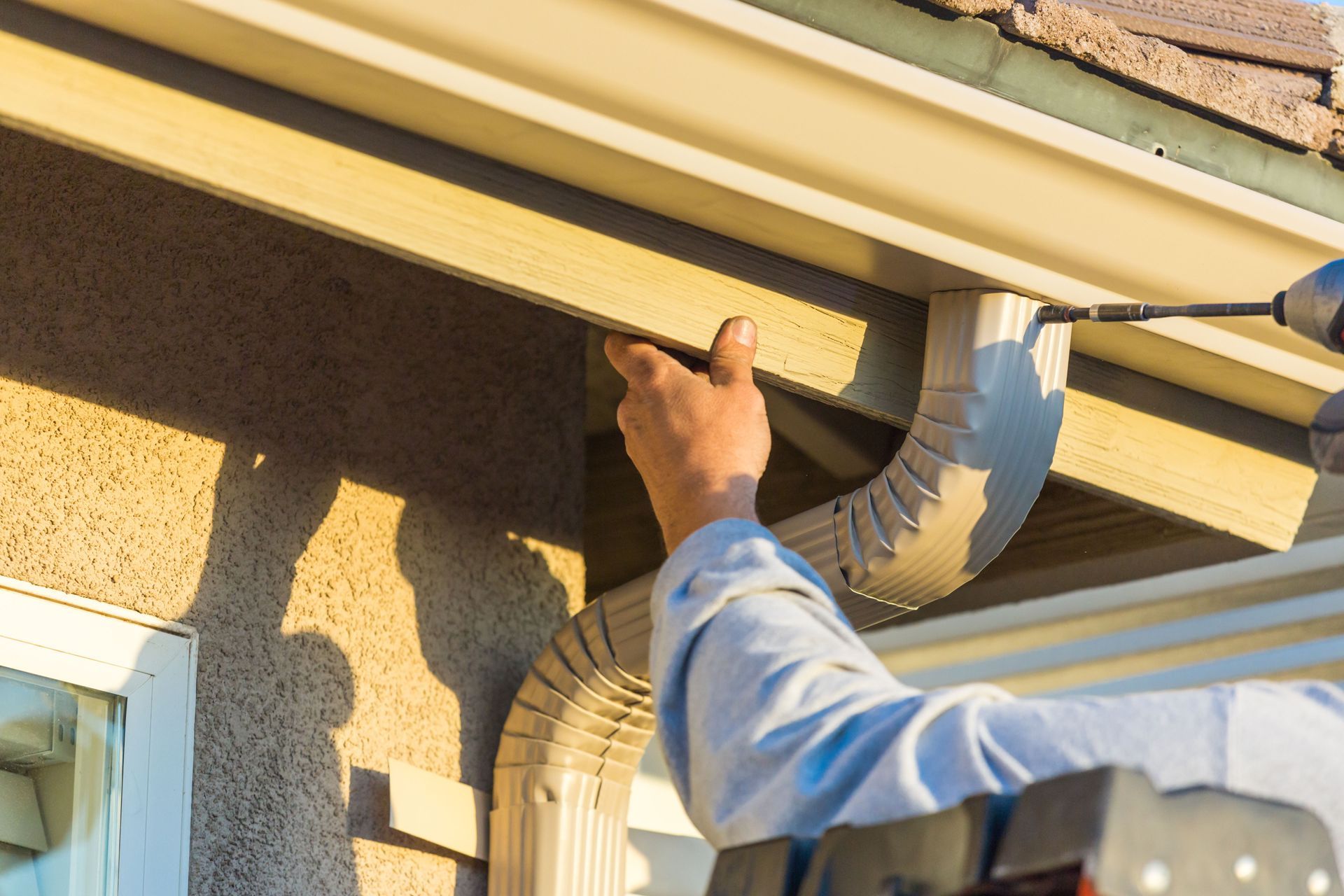
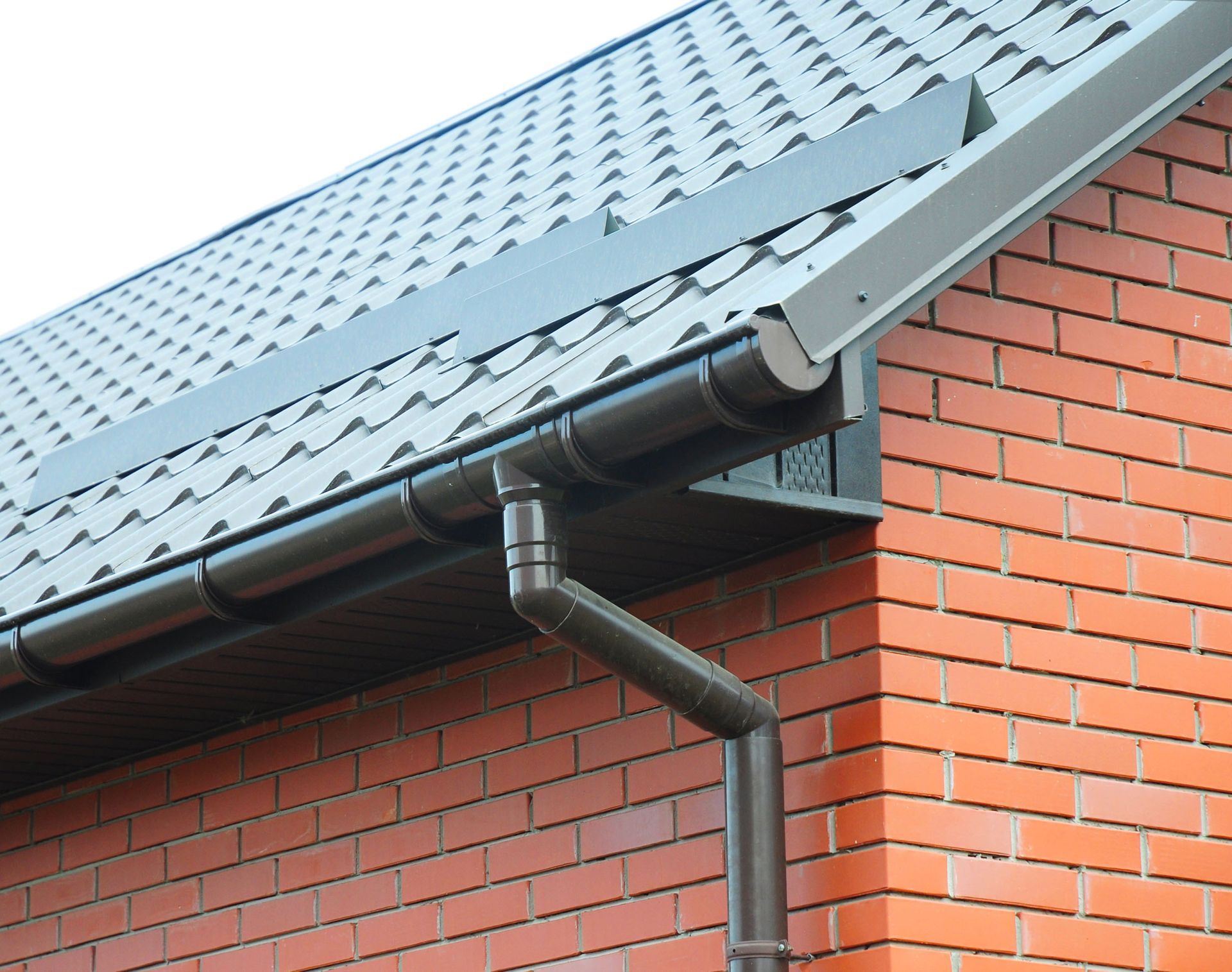
Detail the essential components of a gutter system, including downspouts, elbows, and hangers. The efficient functioning of a gutter system relies on the interplay of these components. Downspouts are critical as they carry water away from the home, preventing it from pooling near the foundation. Elbows redirect downspout runoff into determined paths, enhancing water flow control. Hangers secure the gutters to the roof, ensuring stability and correct installation, which are essential for overall system integrity.
Each component in a gutter system works cohesively to prevent water damage and maximize functionality. Downspouts should be strategically placed to guide water far from the house, further reinforced by splash blocks or underground extensions. Properly installed elbows assist in directing water around obstacles, like the home's flower beds, optimizing the water's exit route. Hangers must be sturdy, typically spaced 36 inches apart for standard installation. Attending to these details in a gutter system ensures efficiency and durability.
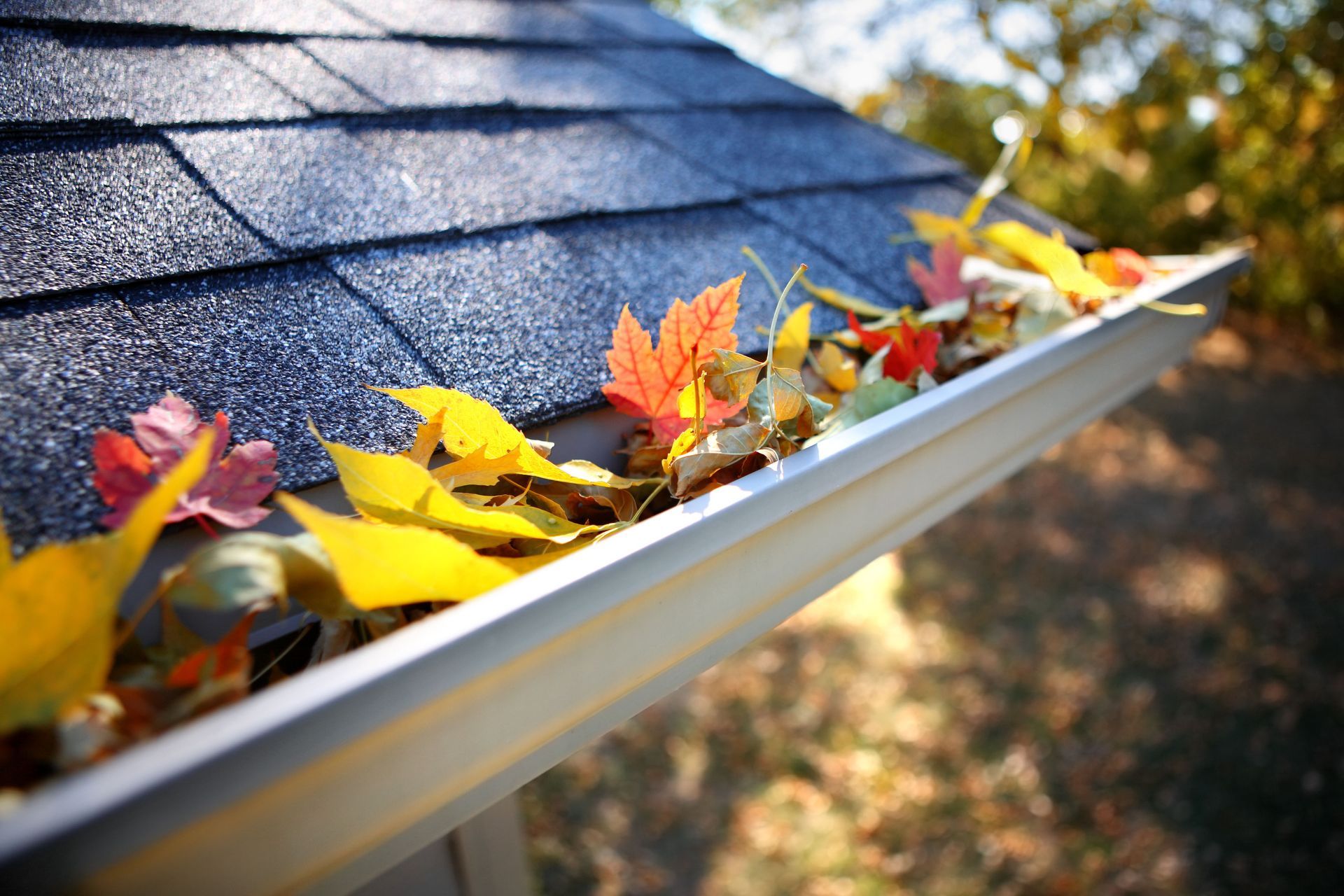
Incorporating features like filter screens or gutter guards can further augment a gutter system's capability. These additions protect against debris accumulation, mitigating clogs that can disrupt water flow. Properly supported with hangers, gutters are less prone to sagging even when loaded with leaves or debris. On inclines, strengthening with additional brackets may be necessary to counteract water pressure. Overall, understanding each component's role ensures comprehensive gutter efficacy.
Styles and Designs
Discuss the different styles and aesthetic considerations, such as K-style and half-round gutters. K-style gutters feature a sculpted look that resembles crown molding, offering both function and style, which contrasts with the more classic look of half-round gutters. Aesthetic preference often guides homeowners in their selection, though there's also a practicality angle to consider. K-style gutters, with their flat backs and folds, tend to carry more water than half-round styles. As they complement most modern home architecture, K-style maintains popularity among homeowners.
Each design has its unique advantages and suitable applications. K-style gutters offer more capacity and visual appeal due to their design, making them a practical choice for heavy rain regions. Half-round gutters, meanwhile, may be preferable for historical homes, offering an authentic restoration approach. Neither design necessarily outperforms the other in terms of functionality; rather, their suitability hinges on the specific needs of the home and the homeowner. Balancing aesthetics with performance is key in the decision-making process.
While style considerations may seem secondary to functionality, they influence curb appeal and home market value indeed. The choice of gutter style should blend seamlessly with the rest of the home's exterior aesthetics. Often, the existing roof design or home's architecture dictates the best style fit, ensuring cohesive visual harmony. Consulting with a professional about both styles' advantages helps make an informed decision. The right gutter design, when properly executed, increases both property protection and attractiveness.
Materials and Durability
Understand the different materials used for gutters and their impact on durability and maintenance. Aluminum, copper, and vinyl are commonly used materials, each offering distinct performance features. Aluminum is affordable, lightweight, and resistant to corrosion, making it a favorite choice for many homeowners. Copper, while initially costly, provides exceptional durability and an attractive finish, developing a distinctive patina over time. Vinyl, although less robust, is cost-effective and easier to install, albeit with a shorter lifespan when exposed to harsh environmental conditions.
The durability of gutter materials is a significant consideration as it affects maintenance frequency and longevity. For instance, copper gutters can last over 50 years, justifying the higher initial costs for homeowners seeking long-term solutions. Aluminum gutters are known for their balance between affordability and durability, providing about 20 years of service with proper maintenance. In contrast, vinyl is appropriate for budget-conscious projects that anticipate replacements within a decade or two. Choosing a material involves balancing upfront costs, longevity, and maintenance desires.
Homeowners should evaluate their need for maintenance, potential weather impacts, and budget when selecting gutter materials. Factors like local climate conditions play a significant role in determining material effectiveness over time. While vinyl might not withstand heavy snowfall or extreme temperatures, aluminum and copper are well-suited for varied climates. Knowledge of materials and their durability allows homeowners to make informed investments tailored to their environmental and financial circumstances. Making a sound choice can mitigate future replacement needs and ensure long-term home protection.
Cost Factors
Analyze the cost implications of various gutter materials and styles, helping homeowners budget effectively. Material choice significantly impacts overall project costs, from installation to future maintenance needs. While initial costs for vinyl gutters may be lower, they often lead to frequent replacements and repairs. Conversely, copper gutters present higher upfront expenses, but offer unmatched durability and longevity, minimizing long-term costs. Evaluating these factors allows homeowners to find a cost-effective balance that accommodates both their immediate budgets and long-term financial strategies. Be sure to reach out to Gutter Specialists LLC today to learn more about our professional local gutter companies!