July 31, 2026
Gutters play a quiet but important role in protecting a home from water-related damage. When they remain clear, properly aligned, and securely attached, they direct rainwater away from the roofline, siding, foundation, and landscaping. When debris builds up or components become damaged, water may overflow, collect near the home, or move where it should not. Regular maintenance helps identify small concerns before they develop into larger repair needs. Knowing what maintenance involves, how often it may be needed, and which warning signs deserve attention can help homeowners keep the system working as intended.
Maintenance Should Follow a Consistent Schedule
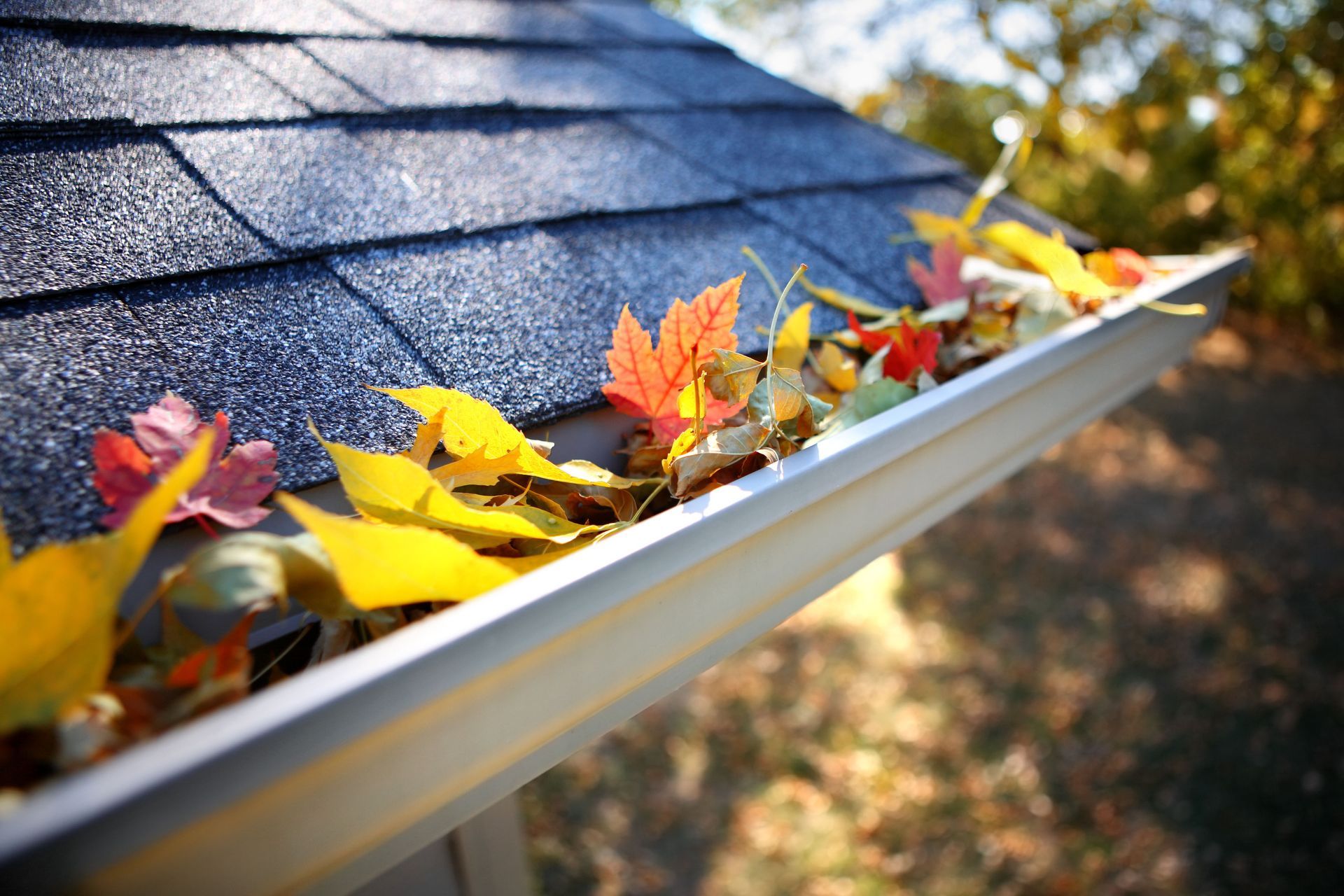
Most gutter systems should be checked on a regular basis rather than only after a visible problem appears. Spring and fall are common times for service because winter weather can leave behind debris, while falling leaves can quickly create blockages later in the year. Homes surrounded by trees may need more frequent attention.
According to This Old House, you should have your gutters cleaned at least twice a year, or every three months if your yard has deciduous or pine trees that shed frequently. That schedule provides a practical starting point, but local conditions still matter. Roof design, nearby trees, rainfall patterns, and the amount of wind-blown debris can all affect how quickly gutters fill.
Maintenance frequency should reflect the property's roof design, surrounding trees, and exposure to debris. A gutter company can inspect the system during routine service and identify developing leaks, loose sections, or drainage concerns before they become more serious.
Cleaning Is Only One Part of Maintenance
Removing leaves, twigs, dirt, and plant material is a central part of gutter care, but maintenance should not stop there. A system may look clear while still having a clogged downspout, a leaking seam, or a section that no longer drains correctly.
A complete service may include debris removal, downspout flushing, unclogging, inspection, and a review of how water moves through the system. Downspouts are especially important because they carry water away from the roofline and toward the intended drainage area. A blockage can cause water to back up and spill over the gutter edge.
Professional cleaning also creates an opportunity to inspect the gutter system for developing problems. A gutter company may identify early sagging, separation from the roofline, damaged downspouts, or leaking joints before those issues cause visible water problems.
Small Repairs Can Prevent Larger Problems
Gutters are exposed to rain, wind, temperature changes, and the weight of wet debris. Over time, sections may sag, joints may leak, and downspouts may become damaged or disconnected. These issues can interfere with the system's ability to direct water away from the home.
Maintenance and repair often work together. Realigning a section can restore proper flow, while sealing a leaking area can help keep water inside the gutter channel. Damaged downspouts may also need repair so water continues moving away from the property.
A contractor that provides both maintenance and repair can identify the appropriate next step when a problem is found. A gutter company may recommend cleaning, realignment, sealing, waterproofing, or repair based on the condition of the system. Prompt attention matters because a small leak or alignment problem may worsen as the gutters continue to experience rain and debris buildup.
Warning Signs Should Not Be Ignored
Homeowners do not need to wait for a scheduled service if the gutter system shows signs of trouble. Water overflowing during rain is one of the most obvious indicators that the system may be clogged or unable to drain properly. Visible sagging or pulling away from the roofline can also signal that the gutter is carrying too much weight or has lost proper support.
Other warning signs may appear around the home rather than in the gutter itself. Water stains or mildew on exterior walls, eroded landscaping beneath the roof edge, and plant growth inside the gutter can all indicate that maintenance is overdue. These conditions suggest that water is not moving through the system as intended.
A gutter company can inspect the system and determine whether cleaning, unclogging, realignment, sealing, or repair is appropriate. Acting when the first signs appear can reduce the chance that water will continue affecting siding, landscaping, or areas near the foundation.
Gutter Guards Can Reduce Debris Buildup
Gutter protection systems are designed to keep leaves, debris, and pests out while still allowing water to enter and flow through the gutter. Guards and covers can reduce how quickly the system fills, particularly on homes surrounded by trees.
These products are intended to reduce maintenance rather than address existing damage or drainage concerns. The gutters and downspouts should still be checked periodically for proper performance. Gutter protection works best when it is installed as part of a system that is already clean, aligned, and functioning correctly.
A professional installation can add a protection system suited to the property's maintenance needs. The right option should support water flow while reducing the maintenance burden associated with heavy leaf and debris accumulation. A gutter company can also explain how the selected guard or cover fits into the home's broader gutter-maintenance plan.
Seasonal Maintenance Supports Year-Round Performance
Seasonal changes can place different demands on gutters. Spring service may remove material left by winter weather and prepare the system for heavier rainfall. Fall maintenance can clear leaves before they create clogs or block downspouts.
Winter preparation is especially important in areas where freezing conditions occur. Clean, free-flowing gutters allow water to drain more effectively, which may reduce the likelihood of ice buildup. However, gutter maintenance is only one part of broader ice-dam prevention, and other home conditions can also affect how ice forms along the roof edge.
A gutter company can perform seasonal and preventive maintenance before changing weather makes existing problems harder to address. Regular service can help identify sections that repeatedly clog, leak, or shift out of alignment, allowing homeowners to respond before those concerns become more disruptive.
Maintenance Helps Protect the Home's Exterior
A functioning gutter system supports more than the gutters themselves. By directing water away from the home, it can help reduce staining on siding, erosion in landscaping, and excess water near the foundation. Keeping the system clean and properly aligned also supports the appearance of the roofline and exterior.
Regular care may also extend the useful life of the gutter system. Accumulated debris can block water flow and contribute to overflow or sagging. Recurring overflows can also lead to leaks, alignment issues, and other repair needs.
The goal is not to wait until the system fails. Routine attention helps preserve water flow, identify damage, and maintain the connection between gutters, downspouts, and the areas where water is directed.
Keep Maintenance Proactive
Regular gutter maintenance involves more than occasional debris removal. Cleaning, downspout flushing, inspection, realignment, sealing, waterproofing, repair, and seasonal service all contribute to reliable drainage. Homeowners should pay attention to overflow, sagging, wall stains, eroded landscaping, and visible debris because these signs may indicate that the system needs attention.
At Gutter Specialists LLC, we provide gutter cleaning, debris removal, downspout flushing and unclogging, inspections, repair, realignment, sealing, waterproofing, gutter guard installation, and seasonal maintenance throughout western North Carolina. Working with an experienced gutter company can help homeowners keep their systems functional while addressing small concerns before they become more expensive problems.